Zero-X Blog
Expert insights on waste gasification, clean energy technology, and the future of sustainable power generation.
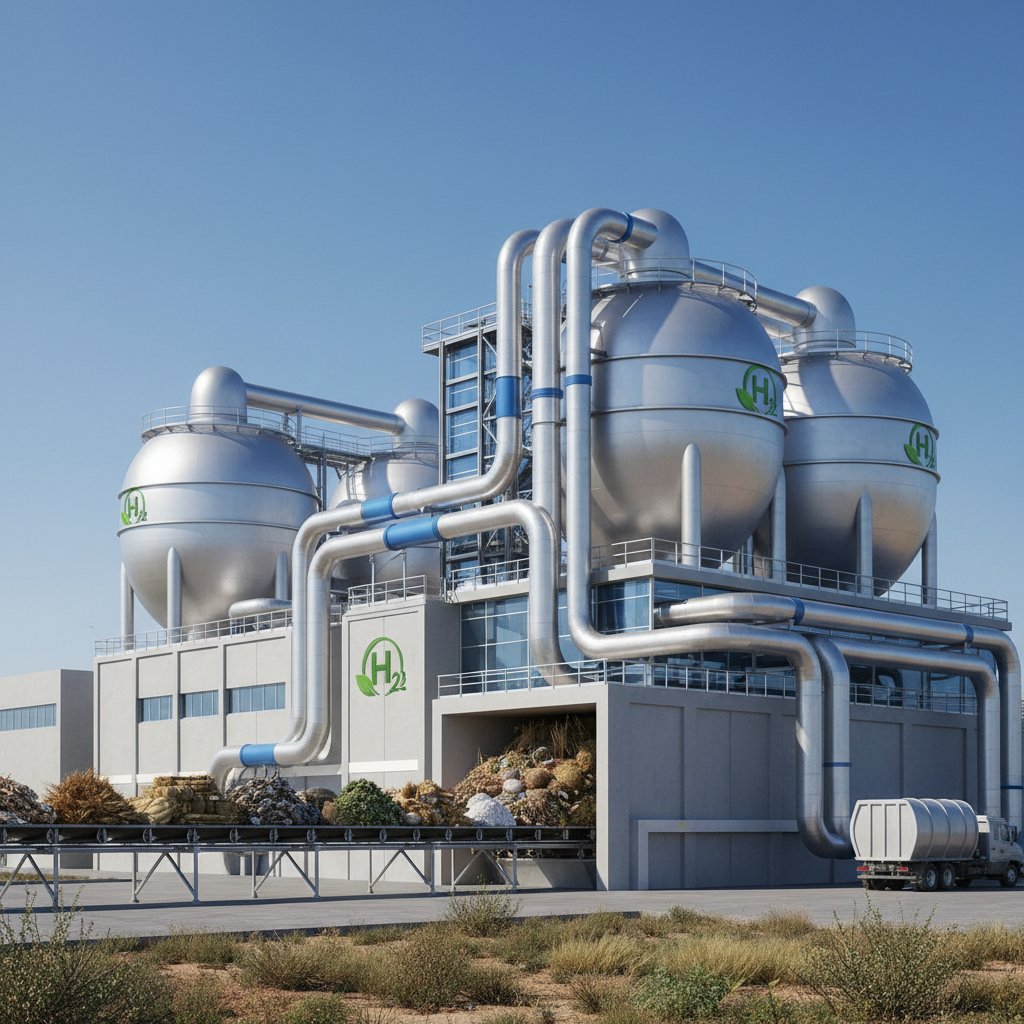
Hydrogen from Waste Gasification: A Sustainable Energy Solution
Discover how hydrogen from waste gasification offers a sustainable path to clean energy by converting waste streams into valuable hydrogen fuel, advancing circular economy goals.
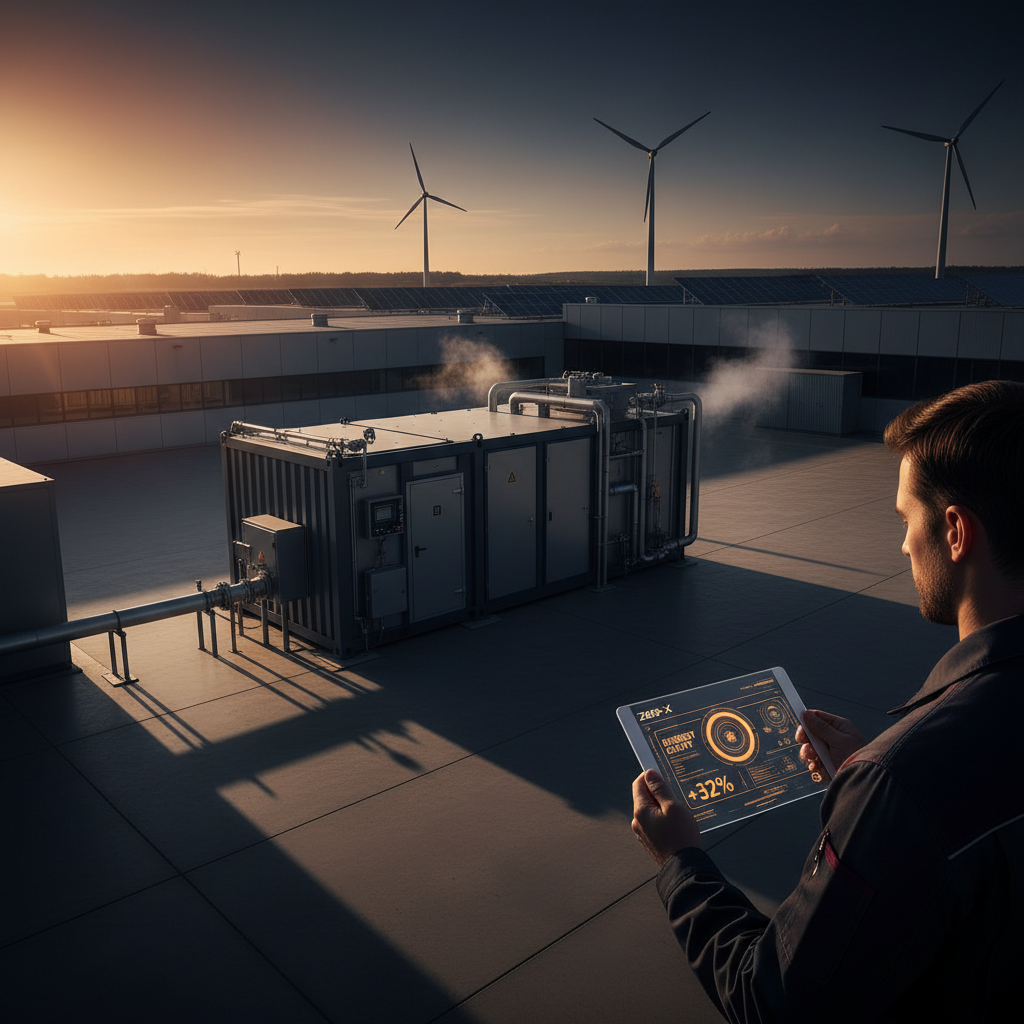
Why the Future of Clean Energy is Small, Modular, and Running on Your Trash
In 2019, a team of German engineers faced a mathematical impossibility. Their client needed to eliminate 500 tons of unrecyclable industrial waste annually, but the nearest waste-to-energy facility required a $300 million capital investment and a 12-year permitting timeline. The gap between the problem and the solution was economically absurd—and it exposed why the global waste crisis persists despite $500 billion in annual management spending.
Beyond Landfills: How Advanced Carbon Conversion Reimagines Environmental Stewardship
The global waste crisis is escalating, with an estimated 2.01 billion tonnes of municipal solid waste generated annually, projected to reach 3.4 billion tonnes by 2050. While recycling efforts are crucial, a significant portion—often 30-50% in developed nations—remains unrecyclable, destined for landfills or incineration. This begs a critical question: what if we could transform this intractable waste into a valuable resource, not only mitigating environmental damage but actively contributing to a cleaner energy future?

How Modular Gasification Is Solving Bali's 3,000-Ton Daily Waste Crisis: Inside Zero-X's Distributed Energy Revolution
Bali generates nearly 3,000 tons of solid waste every single day, yet 60% of the island's waste management sites have already reached capacity, creating an environmental crisis that threatens the $6 billion tourism economy. While traditional waste-to-energy plants require billion-dollar investments and decade-long construction timelines, a revolutionary modular approach is proving that small-scale gasification can transform unrecyclable waste into clean energy within months, not years. In a recent documentary showcasing this technology on the ground in Bali, Zero-X demonstrates how their X-150 system is rewriting the rules of decentralized energy generation.