Beyond Landfills: How Advanced Carbon Conversion Reimagines Environmental Stewardship
The global waste crisis is escalating, with an estimated 2.01 billion tonnes of municipal solid waste generated annually, projected to reach 3.4 billion tonnes by 2050. While recycling efforts are crucial, a significant portion—often 30-50% in developed nations—remains unrecyclable, destined for landfills or incineration. This begs a critical question: what if we could transform this intractable waste into a valuable resource, not only mitigating environmental damage but actively contributing to a cleaner energy future?
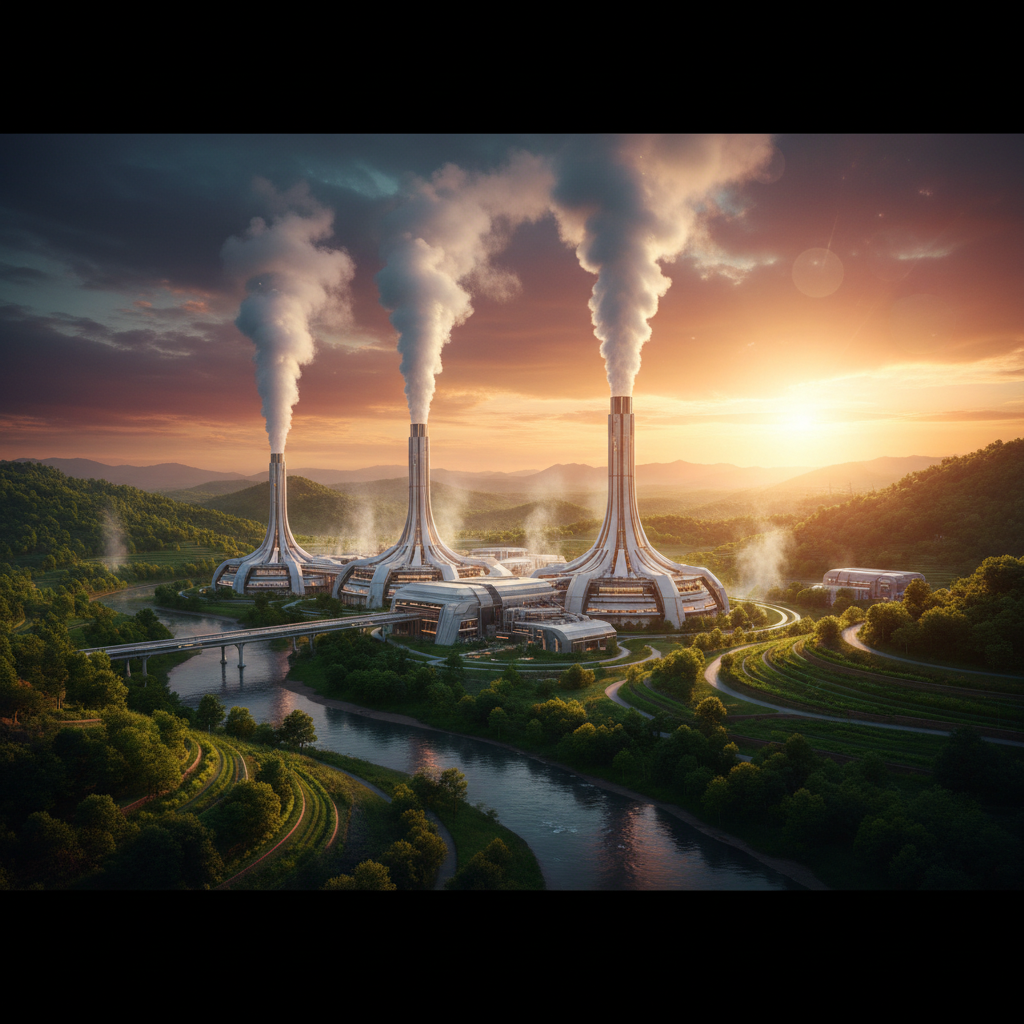
The global waste crisis is escalating, with an estimated 2.01 billion tonnes of municipal solid waste generated annually, projected to reach 3.4 billion tonnes by 2050. While recycling efforts are crucial, a significant portion—often 30-50% in developed nations—remains unrecyclable, destined for landfills or incineration. This begs a critical question: what if we could transform this intractable waste into a valuable resource, not only mitigating environmental damage but actively contributing to a cleaner energy future?
The Dual Challenge: Waste Management and Emissions Reduction
Traditional waste management approaches, particularly landfilling and incineration, present significant environmental drawbacks. Landfills are major sources of methane (CH4), a greenhouse gas 25 times more potent than carbon dioxide (CO2) over a 100-year period, contributing to approximately 11% of global methane emissions. Incineration, while reducing waste volume, often releases harmful pollutants and contributes to CO2 emissions if not equipped with advanced flue gas treatment. The imperative is clear: we need solutions that address both the volumetric burden of waste and its associated greenhouse gas footprint. This is where advanced carbon conversion technologies, specifically gasification, offer a paradigm shift. Unlike incineration, which burns waste, gasification processes waste in a controlled, oxygen-starved environment, preventing combustion and producing a synthesis gas (syngas) rich in hydrogen and carbon monoxide.
Precision Engineering: How Gasification Minimizes Environmental Impact
Gasification fundamentally alters the environmental impact profile of waste treatment. By operating at high temperatures (typically 700-1200°C) with limited oxygen, it converts organic materials into syngas, leaving behind an inert, vitrified ash or char, which can often be repurposed in construction materials. This process drastically reduces the volume of waste requiring disposal, often by 90-95%. Crucially, the controlled environment minimizes the formation of harmful byproducts like dioxins and furans, which are common concerns with conventional incineration. For instance, systems like Zero-X's X-150 modular gasification unit are engineered to meet stringent European emissions standards, like those in Germany, which are among the world's strictest, demonstrating that clean energy generation from waste is not just theoretical but commercially viable and environmentally compliant. The syngas produced can then be used to generate electricity, heat, or even be further refined into liquid fuels or chemicals, effectively closing the loop on waste.
Beyond Energy: Ecological Restoration and Resource Recovery
The environmental benefits of carbon conversion extend beyond clean energy production. By diverting waste from landfills, these technologies prevent leachate contamination of groundwater and reduce land-use requirements for waste disposal. Consider the case of plastic waste: while mechanical recycling struggles with mixed or contaminated plastics, advanced gasification can process these 'unrecyclable' streams, transforming them into valuable syngas. This approach aligns with the principles of the circular economy, where waste is seen as a resource. For communities struggling with limited landfill capacity or seeking to reduce their reliance on fossil fuels, implementing small-scale, modular gasification plants offers a decentralized solution. This not only empowers local energy independence but also creates green jobs and fosters local economic development, while simultaneously tackling persistent waste challenges that plague urban and rural areas alike. Think of it as a localized resource recovery hub, transforming a liability into an asset.
Actionable Steps for Sustainable Waste Management
For municipalities and industries seeking to enhance their environmental stewardship, integrating advanced carbon conversion technologies is a strategic imperative. Firstly, conduct a comprehensive waste stream analysis to identify the quantity and composition of unrecyclable waste suitable for gasification. This data is critical for sizing and optimizing a conversion system. Secondly, evaluate the potential for energy off-take, whether it's electricity for local grids, heat for district heating, or cooling for industrial processes, to maximize economic and environmental returns. Finally, engage with technology providers like Zero-X, who offer proven, certified solutions, to understand the feasibility and implementation roadmap. By adopting these advanced methods, we can move beyond simply managing waste to actively transforming it into a cornerstone of a sustainable, low-carbon future.
Zero-X is at the forefront of this transformation, offering certified, proven solutions that convert waste into valuable energy, demonstrating that environmental responsibility and economic viability can, and must, go hand-in-hand.
#CleanEnergy #WasteToEnergy #CarbonConversion #Gasification #Sustainability #CircularEconomy #EnvironmentalTech #ZeroWaste #RenewableEnergy #WasteManagement