Hydrogen from Waste Gasification: A Sustainable Energy Solution
Discover how hydrogen from waste gasification offers a sustainable path to clean energy by converting waste streams into valuable hydrogen fuel, advancing circular economy goals.
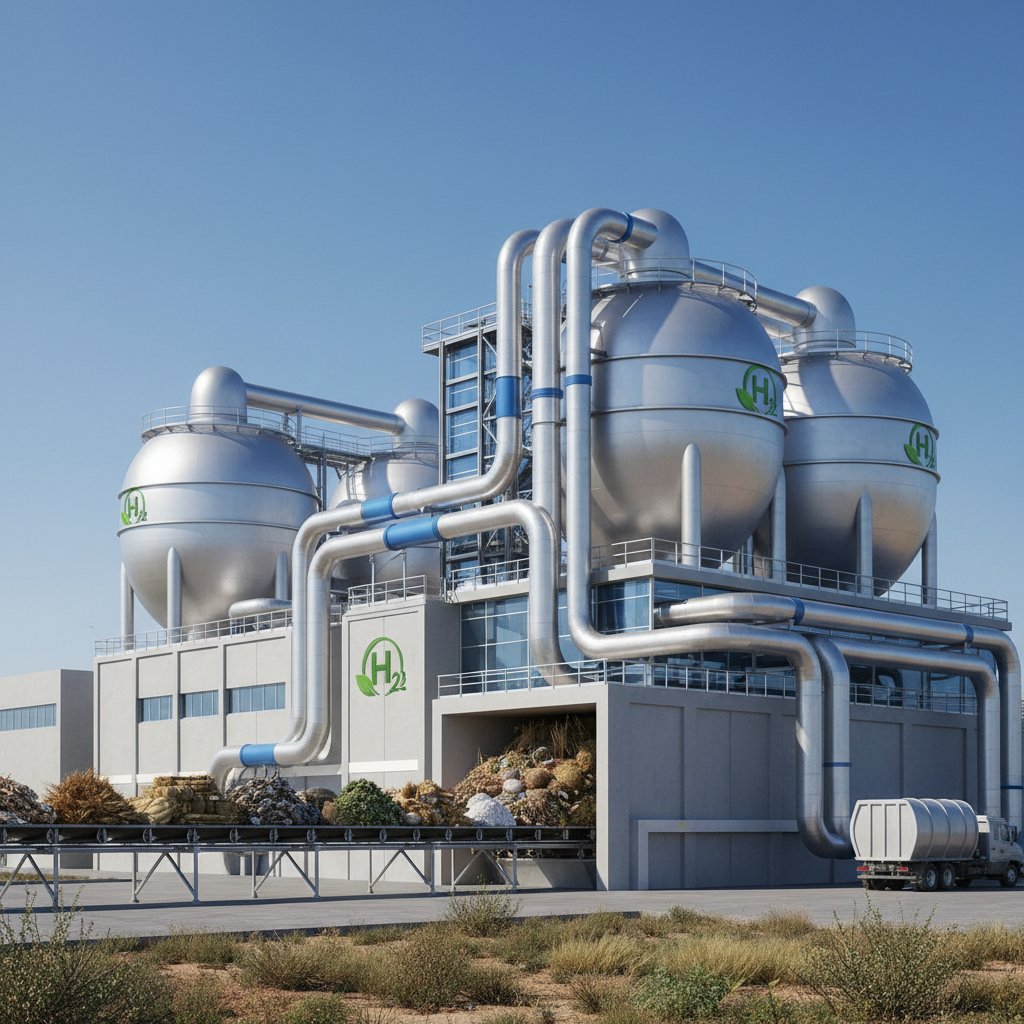
Introduction
As the global demand for clean and sustainable energy grows, hydrogen has emerged as a promising fuel due to its high energy content and zero carbon emissions at point of use. However, producing hydrogen sustainably remains a challenge. One innovative solution gaining traction is generating hydrogen from waste gasification — a process that converts diverse waste streams into valuable hydrogen-rich syngas. This approach not only addresses waste management issues but also contributes to a circular economy and decarbonization goals.
Understanding Waste Gasification and Hydrogen Production
Waste gasification is a thermochemical process that transforms organic waste materials, such as municipal solid waste, industrial residues, agricultural biomass, or plastics, into a synthesis gas (syngas). This syngas primarily consists of hydrogen (H2), carbon monoxide (CO), carbon dioxide (CO2), methane (CH4), and other trace gases.
The gasification process involves heating the feedstock at high temperatures (typically 700-1,200 °C) in an oxygen-limited environment. Unlike incineration, gasification produces a combustible gas instead of directly releasing emissions. The syngas can then be processed further to isolate hydrogen.
Steps in Hydrogen Production via Waste Gasification
Feedstock Preparation: Sorting and shredding waste to improve consistency and gasification efficiency.
Gasification: Partial oxidation of the feedstock produces syngas.
Syngas Cleaning: Removal of particulates, tars, sulfur compounds, and other contaminants to protect downstream catalysts and equipment.
Water-Gas Shift Reaction: CO in syngas reacts with steam over a catalyst to produce additional hydrogen and CO2.
Hydrogen Separation: Technologies like pressure swing adsorption (PSA) or membrane separation isolate high-purity hydrogen.
Advantages of Producing Hydrogen from Waste Gasification
1. Waste Management and Resource Recovery: This method converts problematic waste streams into valuable energy, reducing landfill use and associated environmental issues.
2. Reduced Carbon Footprint: By utilizing waste that would otherwise decompose emitting methane or be incinerated, gasification combined with carbon capture can significantly lower greenhouse gas emissions.
3. Feedstock Flexibility: Gasifiers can process a wide variety of feedstocks, including mixed municipal solid waste, biomass residues, and plastics, making them adaptable to local resource availability.
4. Energy Efficiency and Scalability: Modular gasification units enable decentralized hydrogen production closer to waste sources, reducing transportation costs and emissions.
Challenges and Technological Considerations
While promising, hydrogen production from waste gasification faces several challenges:
Tar Formation: Complex hydrocarbons called tars can condense in downstream equipment, causing blockages and damage. Advanced tar cracking and cleaning technologies are essential.
Syngas Purity: Contaminants such as sulfur compounds and particulates must be removed to prevent catalyst poisoning during the water-gas shift reaction and to ensure hydrogen purity.
Feedstock Variability: Heterogeneous waste streams can affect gasifier performance and syngas composition. Robust design and pre-treatment protocols are necessary.
Economic Viability: Capital and operational costs remain high. Integrating hydrogen production with other value streams like biochar and power generation can improve economics.
Case Studies and Industry Developments
Several projects worldwide demonstrate the viability of hydrogen from waste gasification:
Europe: Facilities in Germany and the Netherlands are converting municipal solid waste into hydrogen for industrial use and mobility applications.
Asia: Japan and South Korea are incorporating waste gasification in their hydrogen economy strategies, leveraging advanced gas cleaning and fuel cell integration.
North America: Pilot plants focus on integrating waste-to-hydrogen with carbon capture and utilization to produce low-carbon fuels.
The Role of Hydrogen from Waste Gasification in a Sustainable Energy Future
Hydrogen from waste gasification aligns with global sustainability goals by addressing two key challenges simultaneously: waste management and clean energy production. When coupled with carbon capture and storage (CCS) or utilization, it offers a pathway to negative or near-zero carbon hydrogen. Moreover, generating hydrogen locally from abundant waste sources supports decentralized energy systems and rural electrification.
As technology advances and economies of scale improve, waste gasification could become a cornerstone of the circular economy, turning waste liabilities into energy assets.
Conclusion
Producing hydrogen through waste gasification presents a compelling, sustainable solution to the intertwined challenges of waste disposal and clean energy generation. By transforming diverse waste streams into valuable hydrogen fuel, this technology supports decarbonization, resource efficiency, and energy security. Continued innovation in gasification processes, gas cleaning, and integration with downstream applications will be critical to unlocking its full potential. Zero-X Technologies remains committed to advancing these transformative solutions that pave the way for a cleaner, more sustainable energy future.